A World-Class Coffee Origin
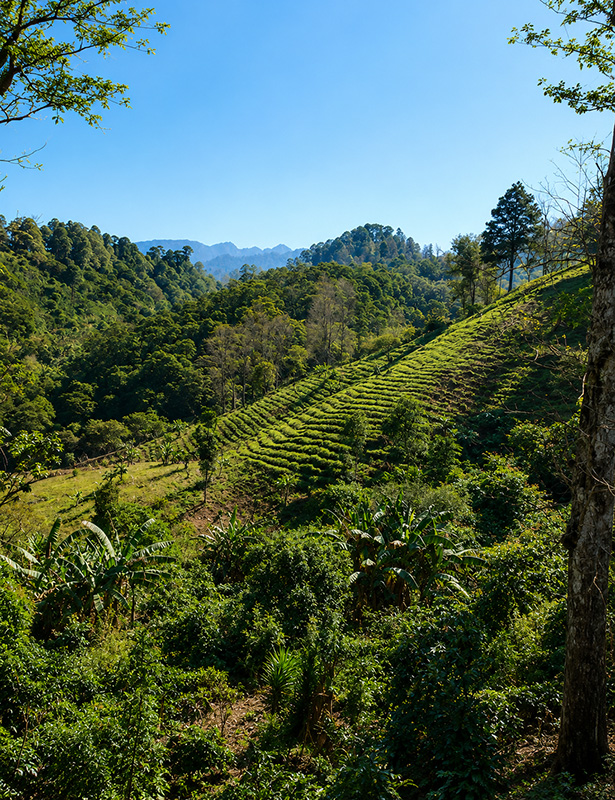
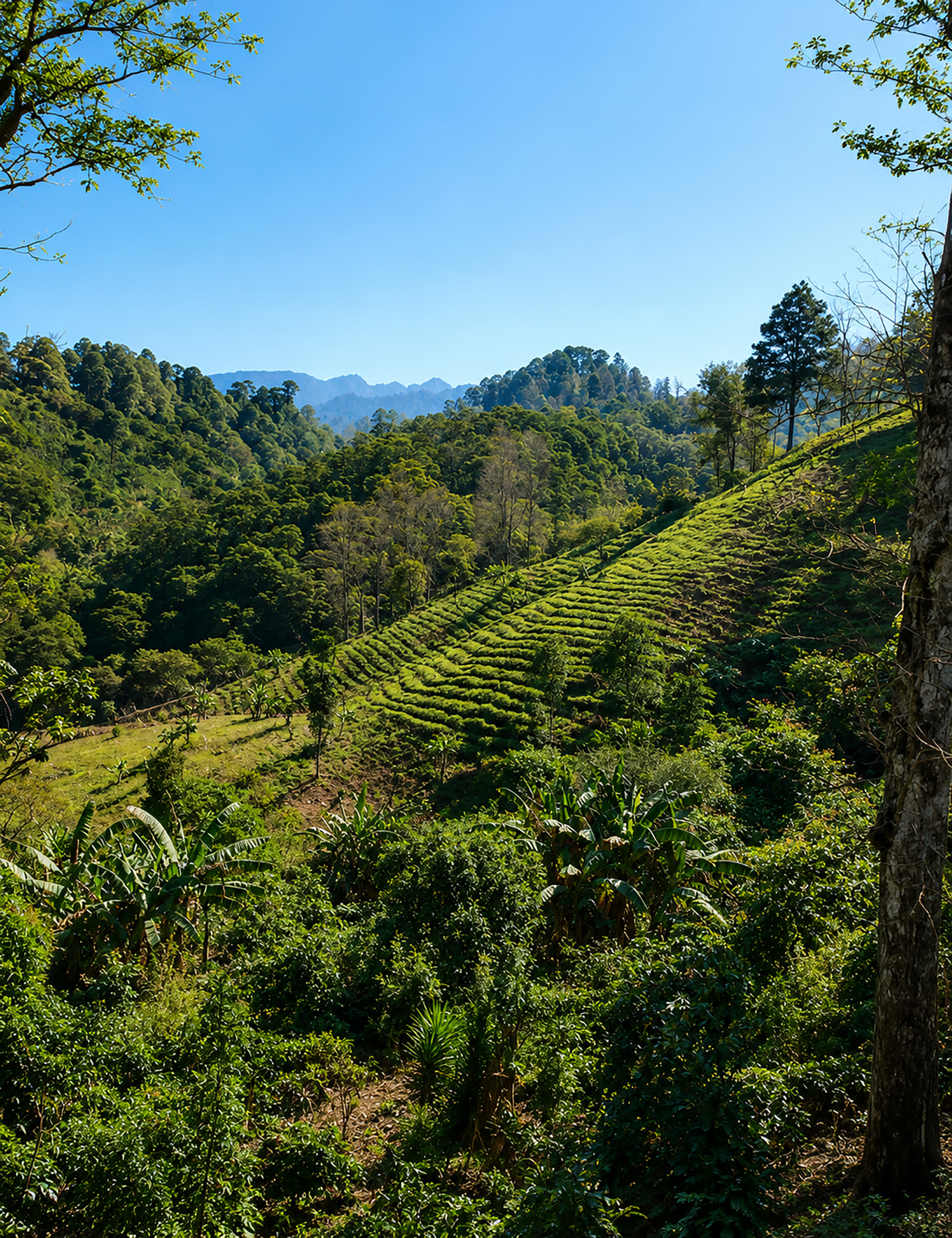
The geography of Honduras is ideal for growing coffee. Today, Honduras is the seventh-largest coffee producer in the world, behind much larger countries such as Brazil, Mexico, and Colombia. In 2011, Honduras became Central America’s top coffee producer. Best of all, the high quality of Honduran coffee has earned it worldwide recognition, and specialty coffee brands are now actively seeking and purchasing it.
While Garden Coffee is continually searching for partnerships with farmers in other Central American origins, Honduran coffee is our specialty.
ELEVATION – WHY IT MATTERS
The higher the elevation, the better the coffee. The Honduran government, in an effort to “brand” Honduran coffee, has become more particular about labeling “Strictly High Grown” (SHG) coffee, also labeled “Strictly Hard Bean” (SHB). The higher the altitude at which it is grown, the denser the bean. This coffee grows more slowly than coffee beans grown at lower altitudes, adding to the price. To meet the SHG (or SHB) criteria, the coffee must be grown at elevations of 4,900 to 6,400 feet. Soil. The rich, volcanic Honduran soils are ideal for growing quality coffee.
High-Quality Specialty Coffee
THE GEOGRAPHY
Honduras is the seventh-largest coffee producer in the world, behind much larger countries such as Brazil, Mexico, and Colombia. In 2011, Honduras became Central America’s top coffee producer.
Get a behind-the-scenes look at life on real coffee-producing farms in Honduras.
VOLCANIC SOIL & CLIMATE
The rich, volcanic Honduran soils are ideal for growing quality coffee. Honduran coffee grown in shade is superior to the coffee grown in direct sun. Adequate rainfall (Honduras has little irrigation to speak of) is critical for a successful crop.
PEAK RIPENESS
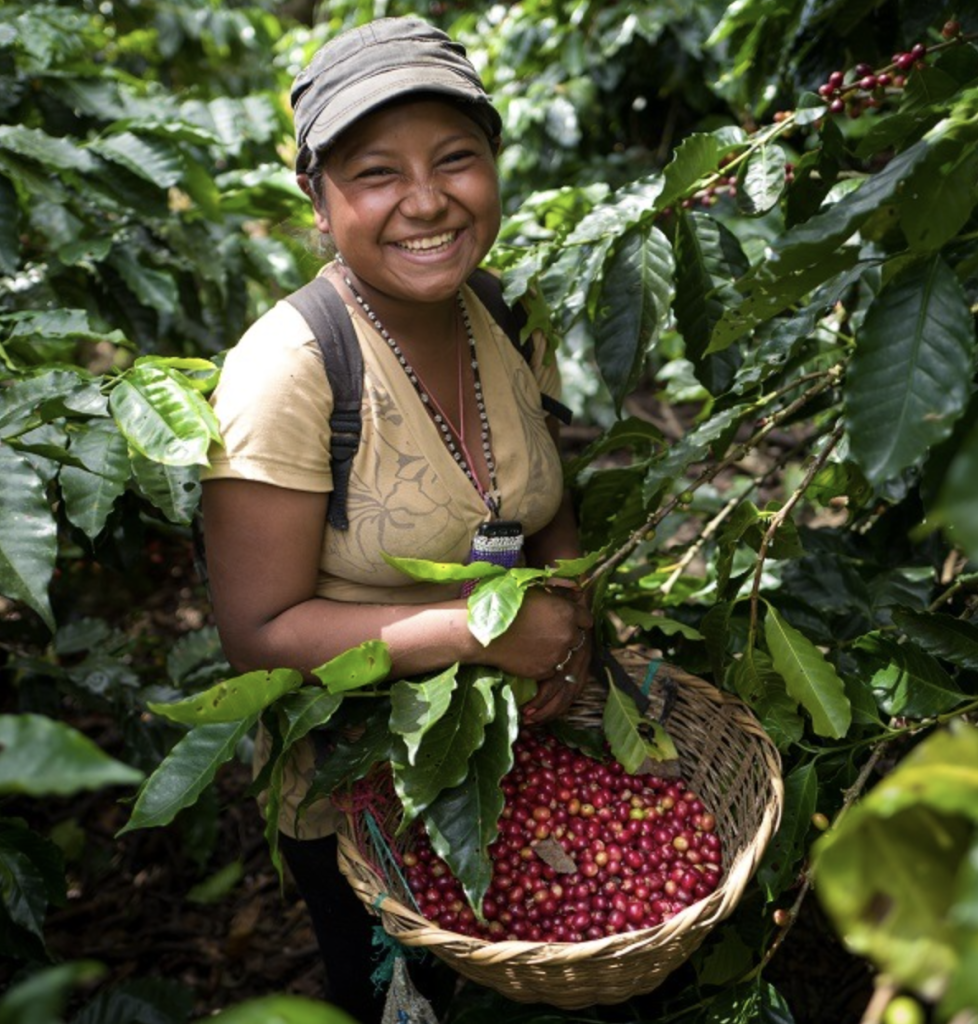
Great coffees are pricey for a reason. To reach its fullest maturity, flavor, and taste, a bean is best picked at its peak ripeness. Since coffee beans don’t ripen uniformly, multiple pickings offer the best coffee bean rather than a one-time, ‘strip the bush’ approach.